
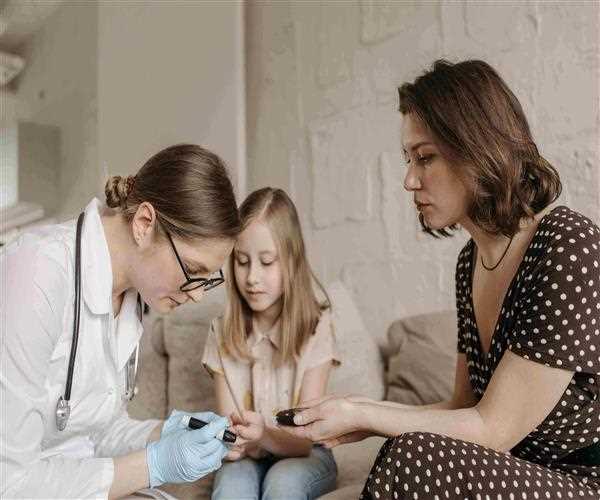
Diabetes symptoms in children under 5 years old
Recognizing the symptoms of diabetes in young children can be difficult. Symptoms usually progress rapidly over a few weeks and include:
- very thirsty
- I'm so hungry
- Urinating more – your child may start to get wet again as they get used to the toilet
- Always tired and weak
- Lose weight without explanation
- If you have blurred vision or other vision problems
- I have a fungal infection (thrush).
- Inhale the fruity scent
- irritable, restless, or moody
Seek medical attention if your child has more than one of these symptoms. Treating diabetes is very important, as over time it can cause serious problems such as heart disease and damage to the kidneys, nerves, eyes, and skin.
Causes of developing diabetes
The cause of type 1 diabetes is unknown, but it tends to run in families. There is nothing you can do to prevent your child from developing type 1 diabetes.
Type 2 diabetes is associated with obesity and malnutrition. Type 2 diabetes is very rare in young children, but it is more likely to develop later in humans if the child is overweight or obese. Eat a healthy diet, exercise regularly, and avoid being overweight to protect your child from future diabetes.
If you have diabetes during pregnancy (gestational diabetes), your baby has an increased risk of developing type 2 diabetes in later years. Most type 2 diabetes can be prevented by maintaining a healthy weight, being physically active, and following a healthy eating plan.
Diabetes diagnosis
Diabetes is diagnosed with a blood test. Sometimes your child needs to fast for a night first. There may also be a urine test.
If your child has diabetes, your child may have regular blood tests to check their blood sugar, cholesterol, and proper thyroid and kidney function.
Diabetes management in infants
Your child needs insulin several times a day. It is given by injection or an insulin pen. Another option is an insulin pump. This is a small device that is worn 24 hours a day to deliver insulin to the body through a plastic tube. The pump is not suitable for all children, so consult your doctor. You may be eligible for an Australian Government grant to purchase a pump. For more information, please visit the JDRF website.
Your child's blood sugar should be checked regularly at night, up to 6 times a day. They do this by testing a drop of blood in your child with a special test kit. The goal is to keep the level within the target range set by the doctor.
To keep your blood sugar in the right range, you need to carefully balance your child's diet with physical activity and insulin.
If the blood sugar level is too low, the child may develop hypoglycemia and if it is too high, hyperglycemia may develop, leading to a more serious condition known as ketoacidosis. I have.


Leave Comment